

 Host
Host Visitor
Cross-Platform Headsets
Meta Quest, Apple Vision Pro, HTC Vive and PSVR from one codebase.
- One project, every target
- Per-device performance budgets
- Store builds and test flights
Team Extension
Immersive 3D and XR experiences engineered for real headsets and real browsers — built on production game engines, not demos.
Built for your business
From training simulations to virtual storefronts — we build immersive 3D, AR, and VR experiences with production-grade quality.
Meta Quest, Apple Vision Pro, HTC Vive and PSVR from one codebase.
Production-grade engineering on the leading real-time 3D engines.
Frictionless 3D and VR experiences delivered straight to a browser.
Modelling, texturing, rigging and optimisation for real-time rendering.
Generative AI for concept art, textures and procedural content.
Photon, Mirror and Colyseus for real-time multiplayer with voice and physics.
What we deliver
Start with the capabilities you need today. We define the scope, integrations, and acceptance criteria together before delivery begins.
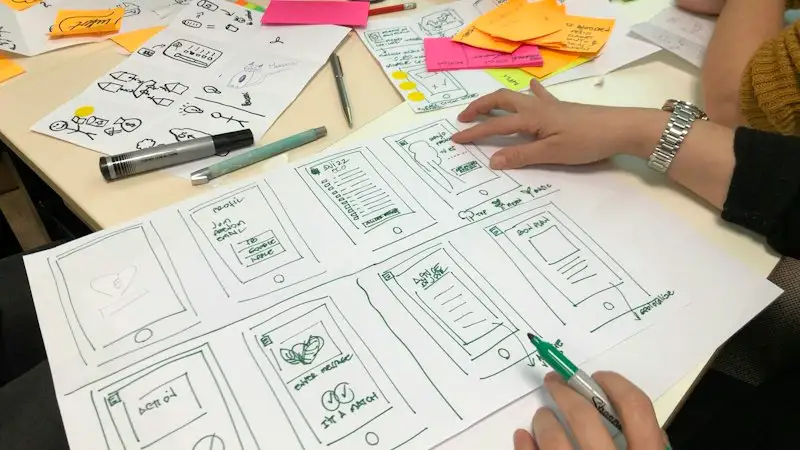
Use-case discovery, platform selection, and go-to-market roadmaps.
Enquire about this→
Meta Quest, Apple Vision Pro, HTC Vive, PSVR experiences in Unity and Unreal.
Enquire about this→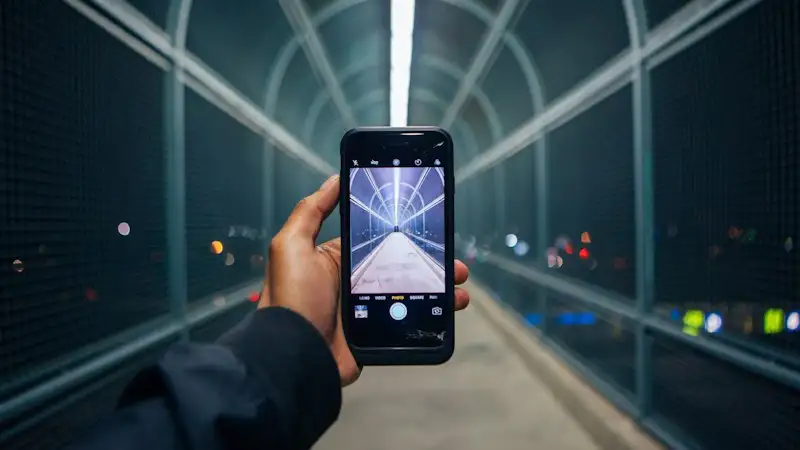
iOS ARKit, Android ARCore, WebAR, and Apple Vision Pro spatial AR.
Enquire about this→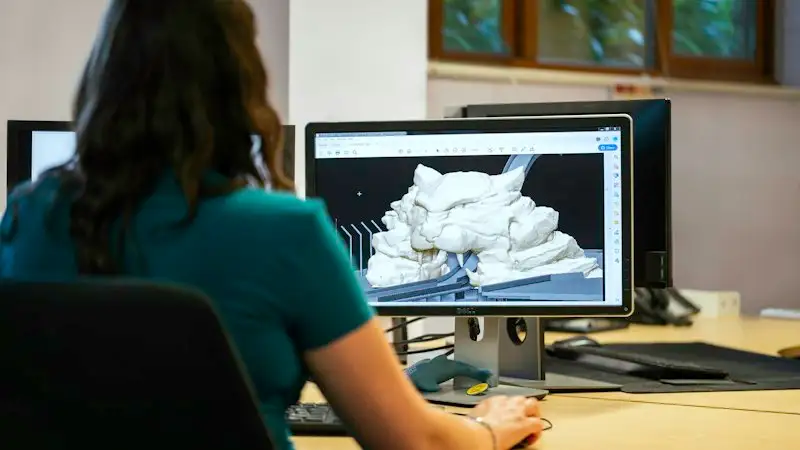
Three.js, Babylon.js, and PlayCanvas browser-based 3D and VR experiences.
Enquire about this→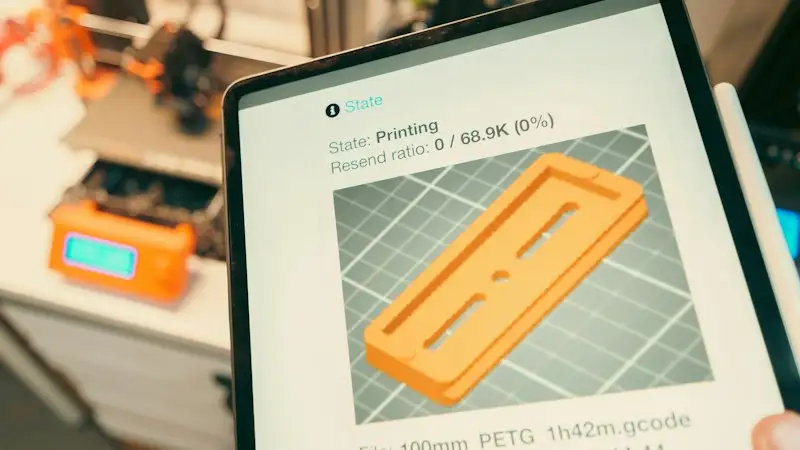
Modeling, texturing, rigging, animation, and game-ready optimization.
Enquire about this→
Real-time multiplayer worlds with voice, presence, and physics.
Enquire about this→
Immersive 3D commerce experiences with try-on and product configurators.
Enquire about this→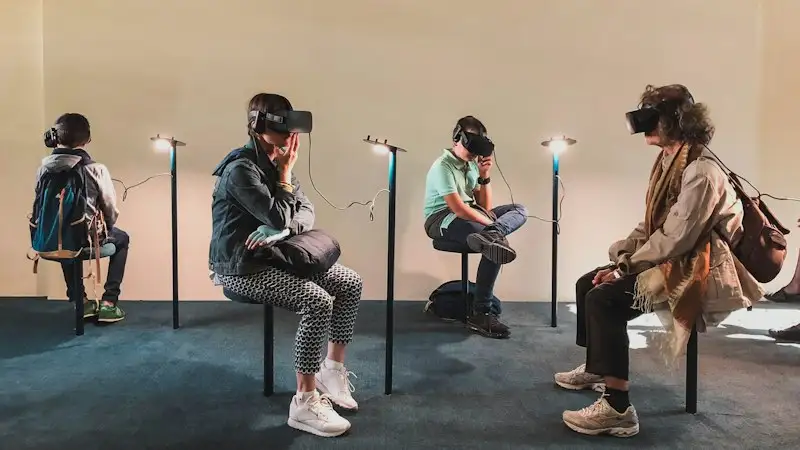
VR and AR simulations for training, safety, and skills acquisition.
Enquire about this→


Loops, progression systems, and in-world economies that retain users.
Enquire about this→
Content updates, performance tuning, and platform-version compatibility.
Enquire about this→From brief to delivery
A practical process with agreed milestones, regular reviews, and a handover your team can use.
Define experience, audience, success metrics, and platform mix.
Playable prototype in 3–5 weeks for fast iteration.
Full asset pipeline, engineering, QA, and platform optimization.
Store submissions, live ops, content updates, and analytics.
Tools of the trade
We choose tools around your existing systems, requirements, and long-term maintenance needs. The final stack follows the project.
Your next step
A few details help us understand your goals and come prepared. Fields marked * are required.
Before we begin
What to know about metaverse development, from project scope to ongoing support.
Metaverse development covers building immersive 3D, VR, and AR experiences — often multi-user and sometimes Web3-enabled — for entertainment, training, commerce, or productivity.
Meta Quest, Apple Vision Pro, HTC Vive XR Elite, PSVR2, iOS/Android AR, and WebXR for browser-based experiences.
Yes. We model, texture, rig, animate, and optimize 3D assets for real-time engines — and use AI-assisted tools (Midjourney, Stable Diffusion, Luma AI) to accelerate concept and texture work.
Unity and Unreal Engine for native VR/AR; Three.js, Babylon.js, and PlayCanvas for WebXR.
Yes. We build NFT-gated experiences, on-chain wearables, and tokenized in-world assets — only when the experience genuinely needs it.
Across the board — concept art (Midjourney), textures (Stable Diffusion), 3D capture (Luma AI), voice (ElevenLabs), NPC dialogue (GPT-4), and gameplay code (Cursor).
A focused VR or AR experience typically ships in 12–20 weeks. Multi-user platforms run 4–9 months.
Yes. We maintain experiences, ship content updates, and keep up with platform version changes — including Quest, visionOS, and Steam runtime updates.
From the blog
Practical guides from the team that does it, updated as we learn.
Website Development · 8 min read
Most website problems are baked in before launch. A practical checklist covering speed, mobile, forms, tracking, SEO basics and the handover — so the site works from day one.
Read article ↗
Digital Marketing · 7 min read
Traffic is easy to buy and easy to waste. How to structure search, social, content and WhatsApp into one funnel where every stage has a job, a measure, and a handover to the next.
Read article ↗
SEO · 8 min read
New content cannot rank on a site that search engines struggle to crawl, render or trust. Ten technical checks — crawlability, speed, duplication, structure — to do before the next article.
Read article ↗A conversation is a good start
Tell us what you want to build or improve. We will help clarify the scope, the approach, and the next step.

 +20
+20