



Load Testing
Simulate realistic peak traffic to validate capacity and SLAs.
- A traffic model from real analytics
- Scripts in version control
- Pass or fail against your SLAs
Team Extension
Find the breaking point before your customers do — realistic load models, spike and soak testing, and root-cause analysis that names the bottleneck.
Built for your business
From peak-traffic launches to API SLAs — we engineer performance test programs that find issues early and validate scalability.
Simulate realistic peak traffic to validate capacity and SLAs.
Push beyond capacity to find breaking points, and run long to expose leaks.
Validate behaviour under sudden traffic from launches and campaigns.
Correlate APM traces, logs and database telemetry to surface the real cause.
Lighthouse, WebPageTest and Core Web Vitals tuning for real-user performance.
Right-size infrastructure from real load-test data and growth forecasts.
What we deliver
Start with the capabilities you need today. We define the scope, integrations, and acceptance criteria together before delivery begins.

SLA definition, traffic modeling, tool selection, and success criteria.
Enquire about this→
Realistic peak-traffic load tests with k6, JMeter, Gatling, or Locust.
Enquire about this→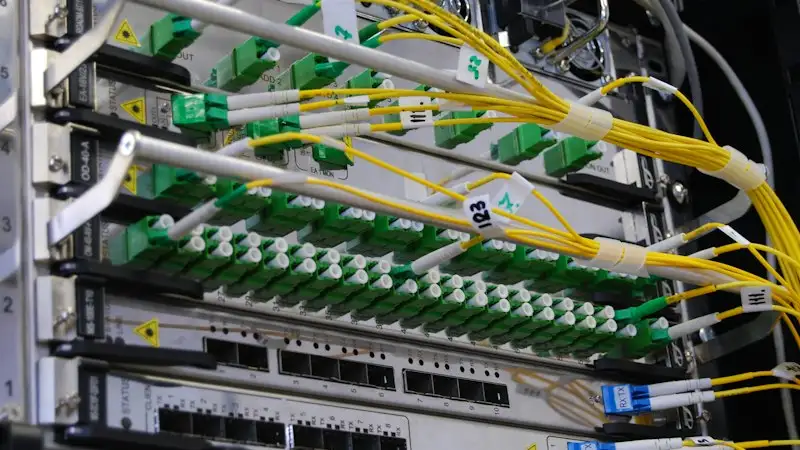
Push systems past capacity to find breakpoints and graceful-failure modes.
Enquire about this→
Long-running tests that surface memory leaks and slow degradation.
Enquire about this→
Validate response to sudden traffic spikes from launches or promotions.
Enquire about this→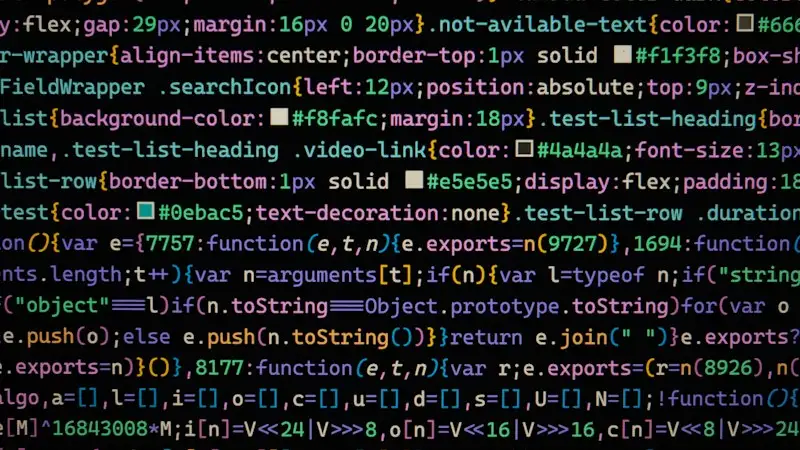
P50/P95/P99 latency under load, with assertions tied to SLAs.
Enquire about this→
Index review, query optimization, and connection-pool tuning.
Enquire about this→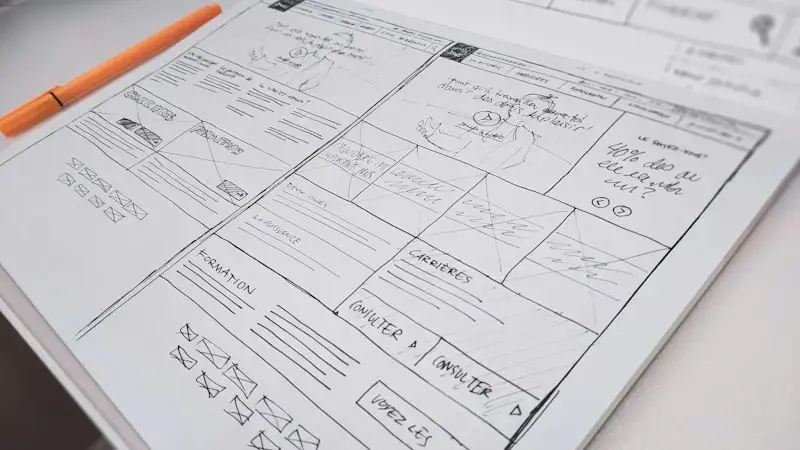
Lighthouse, WebPageTest, Core Web Vitals analysis and remediation.
Enquire about this→

Sizing recommendations based on test data, growth, and seasonality.
Enquire about this→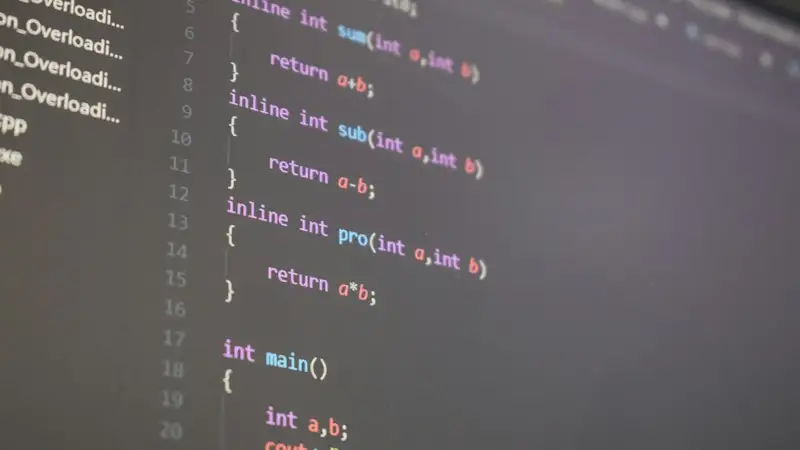
Automated performance tests run in CI with regression budgets.
Enquire about this→
New Relic, Datadog, Dynatrace, OpenTelemetry instrumentation.
Enquire about this→From brief to delivery
A practical process with agreed milestones, regular reviews, and a handover your team can use.
Define SLAs, user journeys, traffic models, and success criteria.
Test scripts, data, environments, and observability instrumented.
Run load, stress, soak, and spike scenarios with real-time observation.
Identify bottlenecks, recommend fixes, and re-test until SLAs are met.
Tools of the trade
We choose tools around your existing systems, requirements, and long-term maintenance needs. The final stack follows the project.
Your next step
A few details help us understand your goals and come prepared. Fields marked * are required.
Before we begin
What to know about performance testing services, from project scope to ongoing support.
Performance testing measures how your system behaves under various loads — speed, scalability, and stability — using tools that simulate users and traffic.
Before major launches, after architecture changes, on a periodic schedule, and as part of CI for performance-sensitive paths.
k6, JMeter, Gatling, Locust, Artillery, BlazeMeter for load — and APMs like Datadog, New Relic, Dynatrace, AppDynamics, Honeycomb for observability.
We model real user behavior using analytics data, run from multiple geographies, and use realistic data and pacing.
We combine load testing with APM, profiling, distributed tracing, and database telemetry to pinpoint slow services, queries, and code paths.
Yes. Our performance engineers can recommend and implement fixes — from query tuning to caching to infrastructure changes.
Yes. We add performance regression gates to CI for critical APIs and user journeys, with budgets and alerting.
GPT-4 generates first-draft k6/JMeter scripts from API specs, and Datadog/Dynatrace/Honeycomb AI features cluster anomalies + propose root causes from telemetry — humans verify before we report.
From the blog
Practical guides from the team that does it, updated as we learn.
Website Development · 8 min read
Most website problems are baked in before launch. A practical checklist covering speed, mobile, forms, tracking, SEO basics and the handover — so the site works from day one.
Read article ↗
Digital Marketing · 7 min read
Traffic is easy to buy and easy to waste. How to structure search, social, content and WhatsApp into one funnel where every stage has a job, a measure, and a handover to the next.
Read article ↗
SEO · 8 min read
New content cannot rank on a site that search engines struggle to crawl, render or trust. Ten technical checks — crawlability, speed, duplication, structure — to do before the next article.
Read article ↗A conversation is a good start
Tell us what you want to build or improve. We will help clarify the scope, the approach, and the next step.